Before using a product, consumers look at its packaging.
Packaging creates the first point of contact, conveys information, and builds an initial perception of quality, reliability, and attention to detail. In just a few seconds, it can make a product more recognizable, understandable, and appealing than the alternatives on the shelf.
It is not just a matter of aesthetics.
According to 2018 Ipsos research, 72% of U.S. consumers say that packaging design often influences their purchasing decisions. That figure rises to 81% when the product is intended as a gift.
In Italy, too, there is a high level of attention paid to packaging. Data released by CONAI and Ipsos indicate that for 73% of respondents, packaging and its environmental characteristics influence purchasing choices. Furthermore, 71% associate a product's sustainability with the recyclability of its packaging, while 69% consider the use of recycled materials to be important.
These numbers confirm a clear concept: the value of a product begins with its packaging.
Protection is no longer enough
The primary function of packaging remains protecting the product during transport, storage, display, and use.
Today, however, much more is expected of packaging.
It must allow the consumer to quickly see or understand the contents. It must communicate the brand's positioning. It must facilitate handling and display. It must offer a simple opening experience and, whenever possible, make it intuitive to separate materials at the end of the product's life.
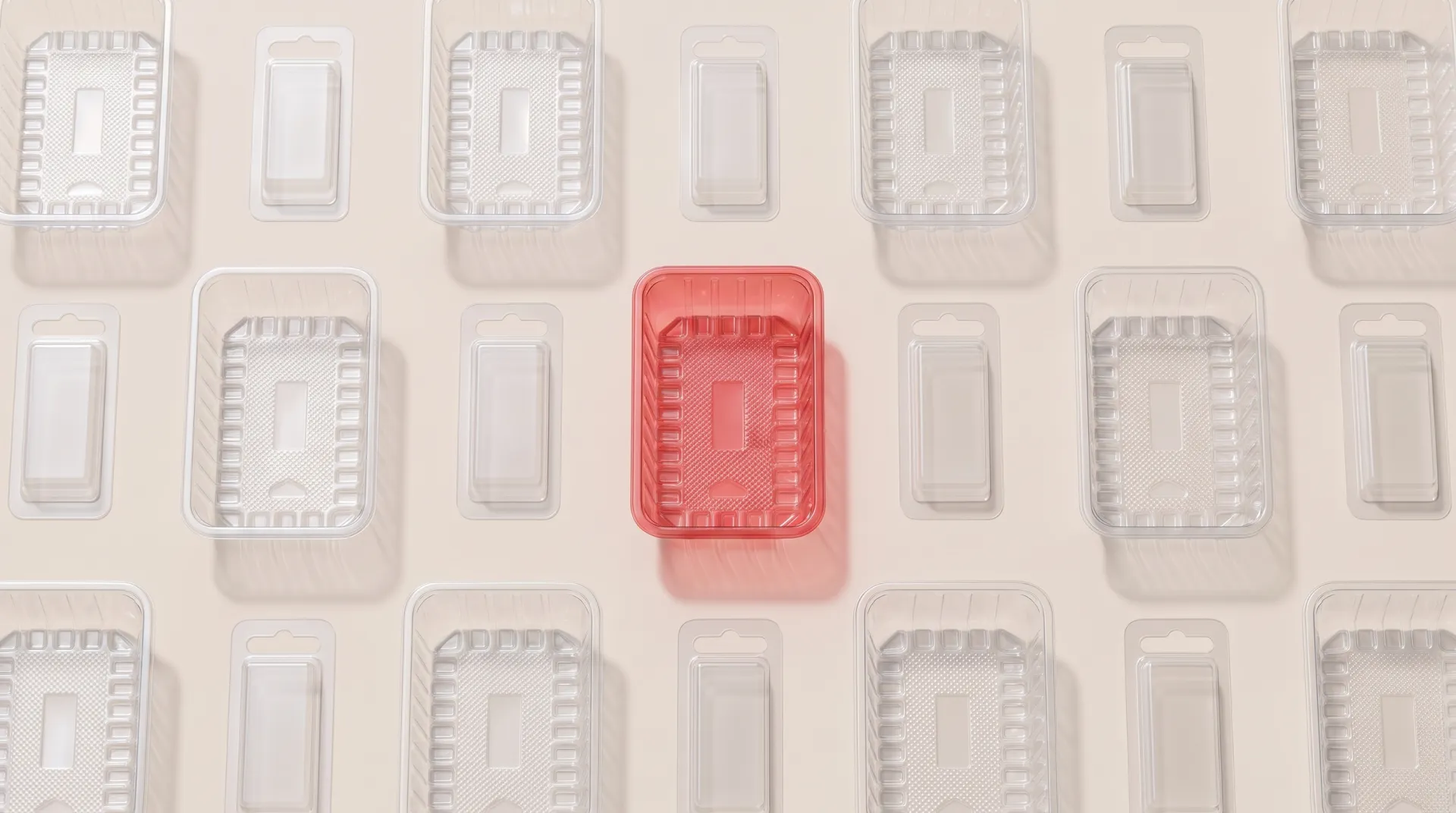
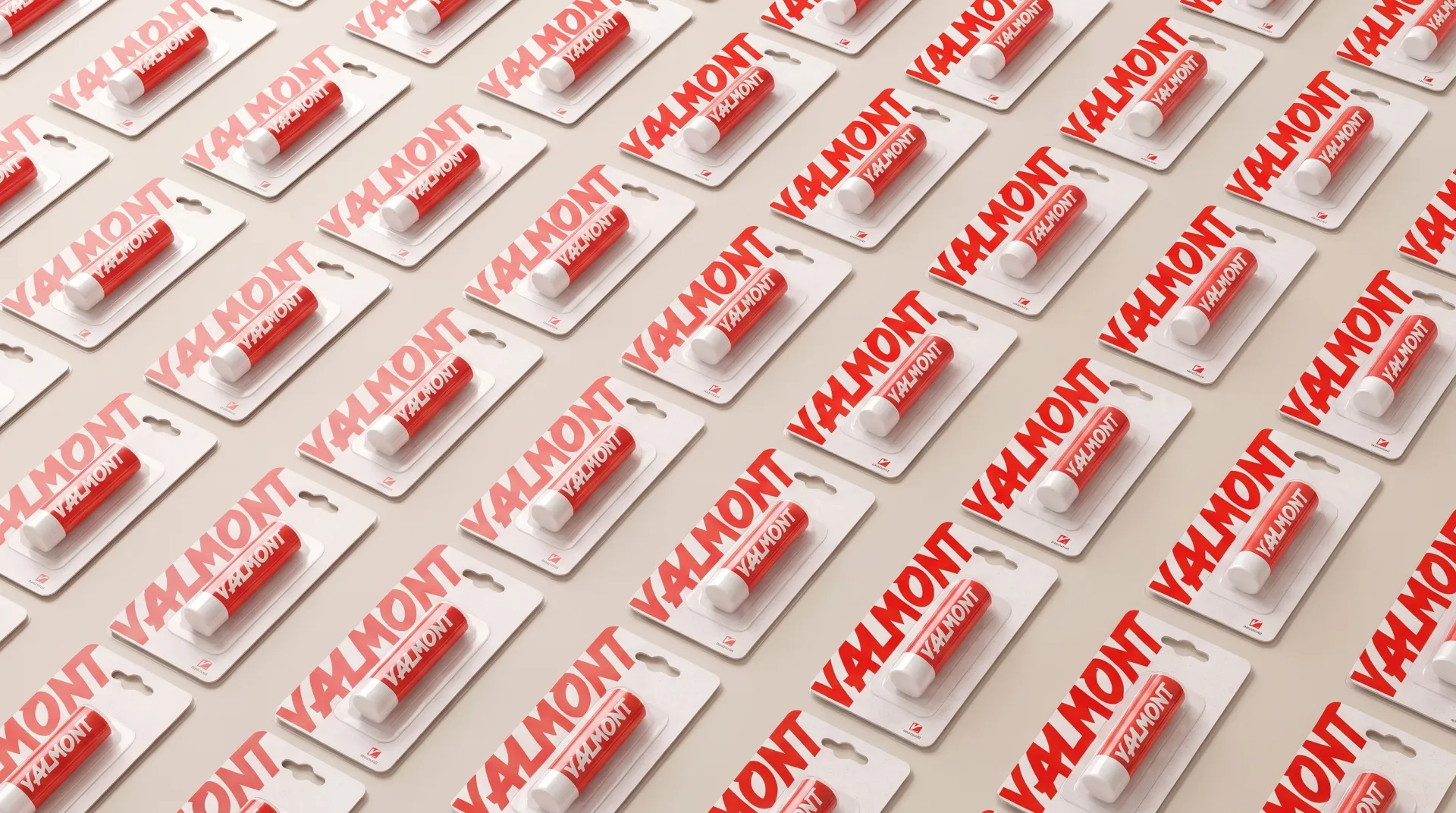
A transparent blister pack, for example, allows the product to be shown directly, making it easy to verify its shape, color, and features. Cardboard, on the other hand, offers a useful surface for communicating the brand, technical information, and the item's benefits.
When these elements are designed in a coordinated way, packaging becomes an integral part of the commercial offering.
Good packaging makes a product easier to understand
In a crowded retail environment, the time spent evaluating each individual product is limited. The packaging must therefore quickly answer a few questions:
What is inside?
Who is it for?
What are its benefits?
Why should it be chosen?
Shape, transparency, size, materials, and graphics must work together to provide an immediate answer.
Poorly legible packaging can diminish the perception of quality, even when the product itself is excellent. Conversely, a well-designed solution can enhance its features, increase brand recognition, and facilitate its placement in retail and mass-market distribution channels.
Choosing a supplier is a strategic decision
The final result depends on more than just a creative idea. It depends on the ability to transform that idea into a solution that is technically feasible, stable, and repeatable at scale.
This is why it is important to rely on a partner capable of getting involved from the very first stages of the project.
A specialized supplier must be able to evaluate:
A wrong decision made during the design phase can lead to material waste, sealing issues, packaging difficulties, or unforeseen costs once the project is already in production.
From design to production
A suitable partner does not simply receive a drawing and manufacture a component. They analyze the product, identify potential issues, propose optimizations, and create a physical sample for the client to review.
Sampling is a fundamental phase because it allows for the concrete verification of shape, containment, stability, transparency, and ease of use.
After approval, the process must be reproducible with uniformity, ensuring constant quality control and consistency across different batches.
This way, packaging is no longer an element added at the end of a project, but a component developed alongside the product.
Packaging as an investment
Evaluating packaging solely based on unit cost can be short-sighted.
Well-designed packaging can improve presentation, reduce damage, simplify logistics, optimize the packing process, and increase a product's market competitiveness.
The real question, therefore, is not just how much packaging costs.
It is how much value it can generate.
Valmont supports companies in the retail, industrial, automotive, and cosmetics sectors in the development of custom blisters, trays, and thermoformed solutions. From technical specifications to prototypes, through to production and delivery, every phase is designed to turn packaging into a tangible tool for adding value.